
The Path to Peace Now Runs Through Ankara, Not Geneva

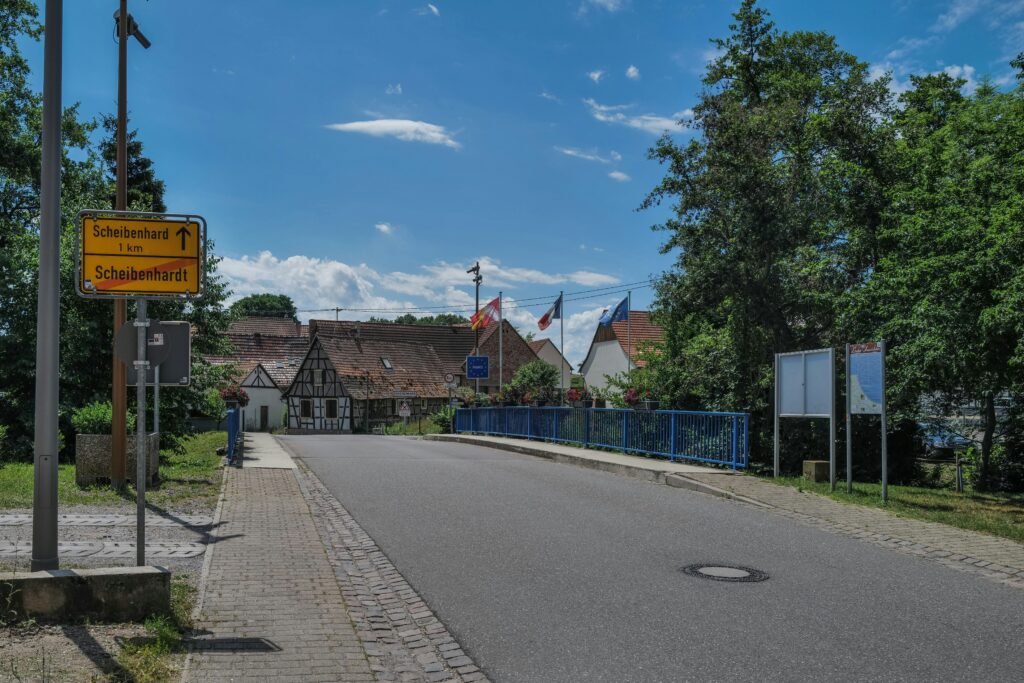
In 1815, Switzerland pledged neutrality to survive among empires. Two centuries later, Türkiye, bordering warzones, not empires, has learned to do the same, not by standing aside but by stepping in. Ankara isn’t waving white flags; it’s setting the table for talks others can’t even get invited to.
While often viewed in Washington through the lens of provocative rhetoric or NATO tensions, Türkiye is rapidly positioning itself as a neutral mediator in a volatile region, a modern-day Switzerland worthy of U.S. diplomatic recognition and strategic support due to its measured but consistent role in recent peace negotiations.
Ankara’s Quiet Rise as a Crisis Mediator
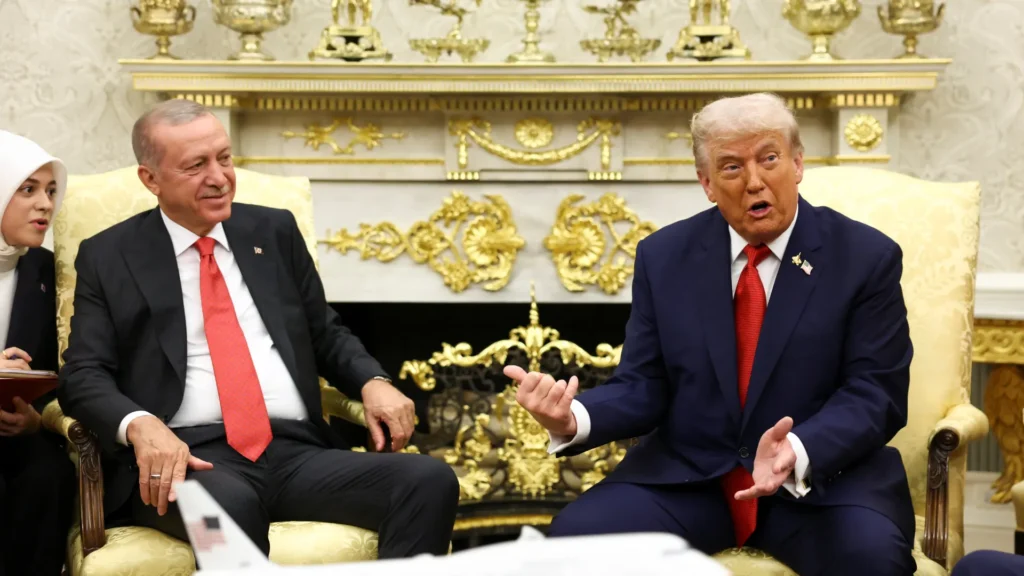
The past few years have increasingly demonstrated Türkiye’s emerging role as a conflict mediator. Most recently, Türkiye shifted from acting as a shadow negotiator to an active mediator by galvanizing a coalition of Muslim and Arab countries to meet with President Trump at the UN following the Israeli strike on Qatar. This led to a collective co-signing of the brokered cease-fire, pressuring both Hamas and Israel to accept the terms and committing to help monitor implementation in Gaza, potentially through a security guarantorship in the Gaza Strip.
Since October 7, Türkiye has acted as a major backchannel actor, particularly during moments of diplomatic deadlock with Israel. In early 2025, Ankara successfully negotiated with Hamas to secure hostage releases for Thailand, and to this day, Türkiye’s intelligence agency (MIT) continues coordination with Israel’s Shin Bet, while Foreign Minister Hakan Fidan maintains active dialogue with Hamas leadership.
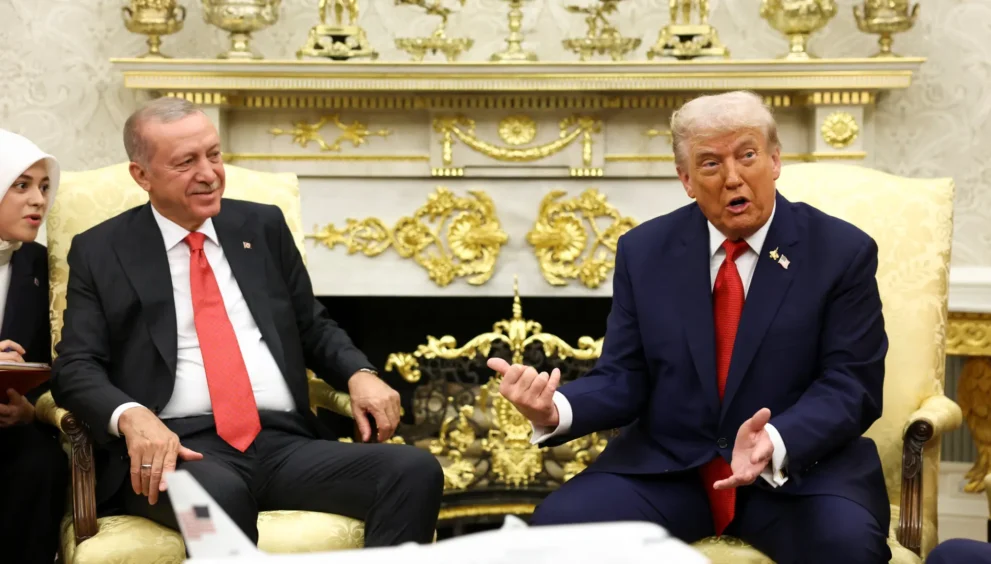
In October 2025, President Trump announced that he had agreed to meet with President Putin in Hungary, the other mercurial NATO ally alongside Türkiye, to discuss an end to the war. However, President Erdoğan has been calling directly for a Trump, Putin, and Zelenskyy summit since May 2025, highlighting Ankara’s ambition to broker global peace. Earlier examples include Türkiye’s hosting of Russia and Ukraine talks in Istanbul in March 2022, which facilitated key outcomes such as prisoner swaps and follow-ups to the Black Sea Grain Deal.
Türkiye has also played a central role in de-escalating tensions in the Horn of Africa, hosting peace talks between Somalia and Ethiopia in December 2024 that helped defuse a crisis sparked by Ethiopia’s controversial port deal with the region of Somaliland.
In Sudan, Türkiye has offered to mediate the ongoing civil war between the Sudanese Armed Forces (SAF) and the Rapid Support Forces (RSF). General Abdel Fattah al-Burhan of the SAF welcomed the initiative, and both factions have since engaged with Turkish intermediaries.
Functional Neutrality in a Polarized World
Switzerland has traditionally symbolized permanent neutrality, conflict mediation, hosting of peace summits, and serving as a hub of international diplomacy. Similarly, Türkiye has adopted a form of functional neutrality by maintaining open relations with multiple adversarial parties, echoing Switzerland’s historical role as a bridge rather than a wall.
Türkiye’s close ties with both Russia and Ukraine stem largely from its geography. Like Switzerland, which borders four historically rival powers (France, Germany, Italy, and Austria) and sits at the crossroads of Europe, Türkiye finds itself strategically positioned: to its north lie Russia and Ukraine; to the south, conflict-prone neighbors like Iran, Iraq, and Syria; and to the east, the volatile regions of the Caucasus and the broader MENA. This geographic centrality makes Türkiye, like Switzerland, a natural site for dialogue and mediation.
Switzerland is formally neutral, with constitutional commitments to neutrality. Yet even it has bent the rules, particularly during the Cold War, by allowing CIA operations and quietly aligning with Western norms, all while officially staying out of NATO and ideological conflicts.
Türkiye represents the inverse: it is not formally neutral. It takes clear political positions, including being a NATO member and openly recognizing a Palestinian state. However, in practice, it maintains functional neutrality in key arenas. It simultaneously engages with Hamas and Israel, Russia and Ukraine, and Sudan’s warring factions.
Turning Strategic Access into Diplomatic Influence
Ankara and Istanbul are increasingly serving as hosts for major diplomatic summits, including the Russia–Ukraine peace talks, the Antalya Diplomacy Forum, the Organization of Turkic States Summit, and the upcoming 2026 NATO Summit. This growing role reflects Türkiye’s rising status as a regional convener and platform for international dialogue.
In addition to committing to a security guarantorship in Gaza, which allows troops to retaliate in the event of escalation, Türkiye has also made significant contributions to UN peacekeeping missions. It has expressed willingness to participate in a potential peacekeeping mission in Ukraine should a ceasefire be achieved. Türkiye currently contributes personnel to the United Nations Interim Force in Lebanon (UNIFIL), supporting maritime operations and promoting regional stability. It has also participated in other UN missions, including deployments in South Sudan. Türkiye backs its diplomacy with tangible logistical and humanitarian support, earning trust at the ground level.
Further reflecting its soft-power strategy, Turkish Airlines connects conflict zones to global capitals, playing a role similar to that of Swissair in the past. Notably, Turkish Airlines resumed international travel to Damascus in 2025, symbolizing Türkiye’s ability to maintain practical connections even amid geopolitical uncertainty.
Why Washington Needs to Rethink Ankara
Under many past U.S. administrations, Türkiye has faced criticism, but diplomacy is not endorsement. The United States has long worked with regimes far more problematic, and engaging with Türkiye does not require ideal political alignment. Rather, it is a matter of strategic access and cultural fluency.
Under the current Trump administration, there has been a clear push for less direct intervention and reduced foreign spending, making it logical to outsource regional influence to a capable NATO ally. Türkiye’s unique relationships with actors the U.S. cannot or will not engage directly make it an indispensable interlocutor.
By contrast, the Biden administration severed key relationships by fully backing Ukraine without securing lasting diplomatic leverage. Additionally, Biden’s team was unable to sustain a Gaza ceasefire, while backchannel efforts involving the Witkoff team produced promising breakthroughs.
Moreover, American legitimacy is weakening in regions where Türkiye still commands credibility. In Syria, for example, civilians associate the U.S. with arming the Syrian Democratic Forces (SDF), which they hold responsible for civilian casualties and instability during the war. In such environments, Türkiye serves as a more trusted intermediary, covering diplomatic ground that Washington can no longer reach effectively.
To be successful, the U.S. must stop viewing Türkiye as a corrosive NATO ally and instead approach it as a regional counterpart to Switzerland. This means engaging its institutions and supporting its convening power. If Washington fails to do so, Ankara may increasingly turn to transactional relationships with powers like China and Russia, as seen in the S-400 deal, and potentially open the door for Iran to expand its influence in contested regions where neither the U.S. nor Türkiye currently holds full control, such as in Syria. And most importantly, it would undermine this Trump administration’s stated promise to end endless wars.